Spruce Tree Removal in Doylestown, PA
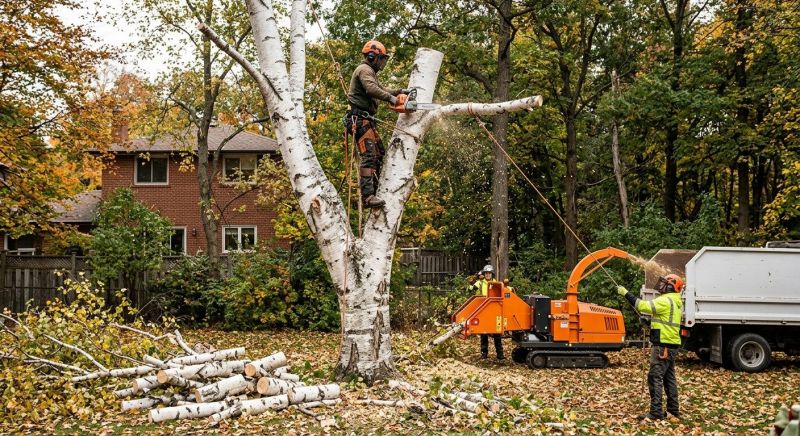
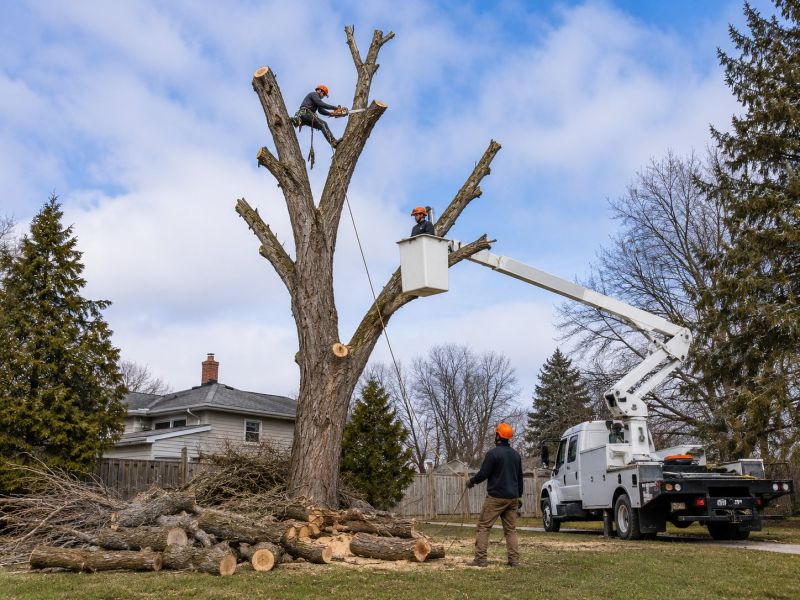
Spruce tree removal services involve the careful and efficient removal of spruce trees that may be dead, diseased, or posing a hazard to property or safety. This service covers a range of projects including the removal of individual trees, clearing large areas for construction or landscaping, and managing overgrown or damaged spruces that could threaten nearby structures or power lines. Property owners often seek this service to prevent potential damage from falling branches or uprooted trees, as well as to improve the overall appearance and safety of their landscape.
Before requesting spruce tree removal, property owners should consider the size and location of the trees, as well as any potential impacts on surrounding structures or utilities. It is also helpful to understand any local regulations or permits that might be required for tree removal. Proper planning ensures that the project is completed safely and efficiently, minimizing disruption and protecting the integrity of the landscape.
Many property owners in Doylestown, PA look into Spruce Tree Removal for repairs, replacements, upgrades, and appearance-related improvements.
Reasons To Remove Spruce Trees
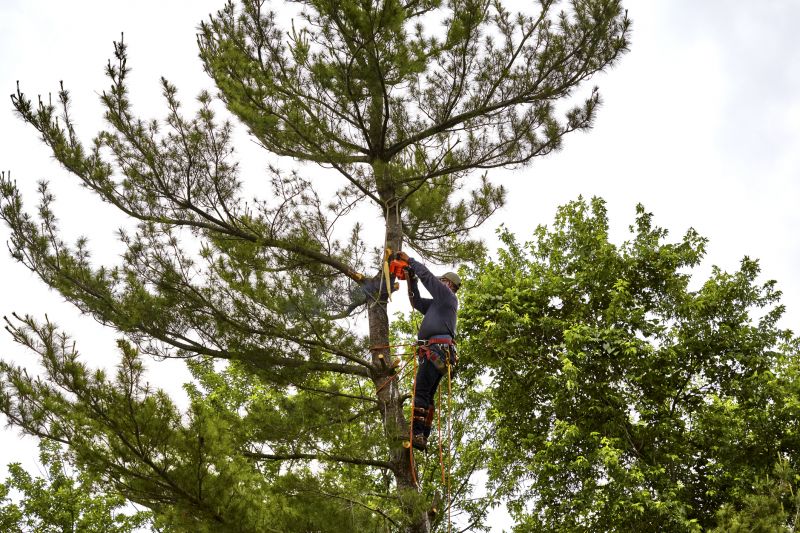
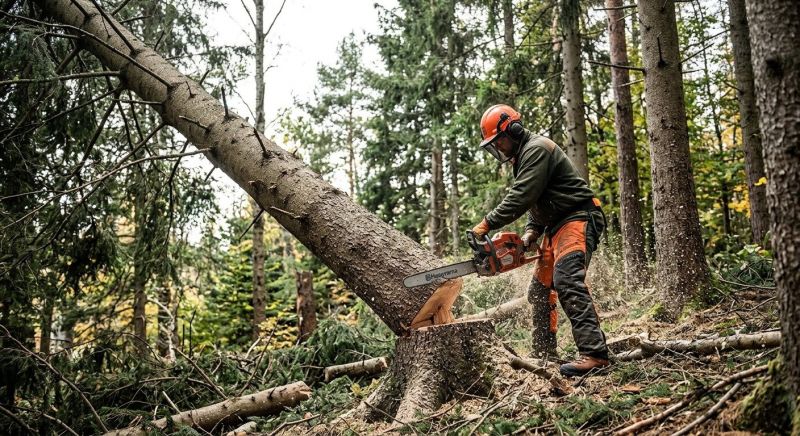
Removing damaged or diseased spruces helps maintain property safety and health.
Safety And Property Care
Proper spruce removal reduces risks of falling branches and structural damage.
Cleanup And Disposal
Professional removal ensures thorough cleanup and responsible disposal of tree debris in doylestown area.
Spruce Tree Removal in Doylestown, PA
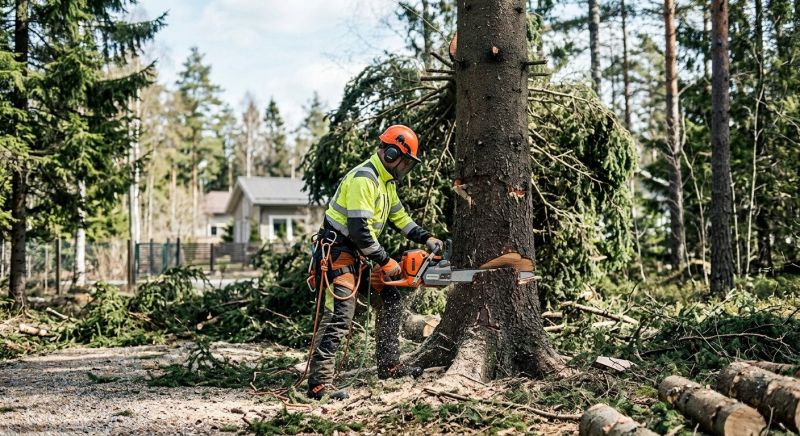
Spruce tree removal services involve the careful and efficient removal of spruce trees that may be dead, diseased, or posing a hazard to property or safety. This service covers a range of projects including the removal of individual trees, clearing large areas for construction or landscaping, and managing overgrown or damaged spruces that could threaten nearby structures or power lines. Property owners often seek this service to prevent potential damage from falling branches or uprooted trees, as well as to improve the overall appearance and safety of their landscape.
Before requesting spruce tree removal, property owners should consider the size and location of the trees, as well as any potential impacts on surrounding structures or utilities. It is also helpful to understand any local regulations or permits that might be required for tree removal. Proper planning ensures that the project is completed safely and efficiently, minimizing disruption and protecting the integrity of the landscape.
Many property owners in Doylestown, PA look into Spruce Tree Removal for repairs, replacements, upgrades, and appearance-related improvements.
Common Spruce Tree Removal Jobs
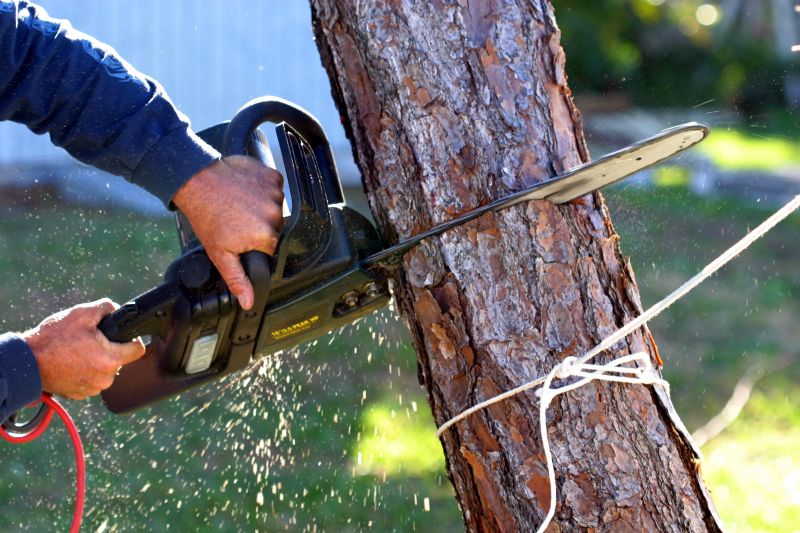
Tree Removal - complete removal of trees to clear space or eliminate hazards.
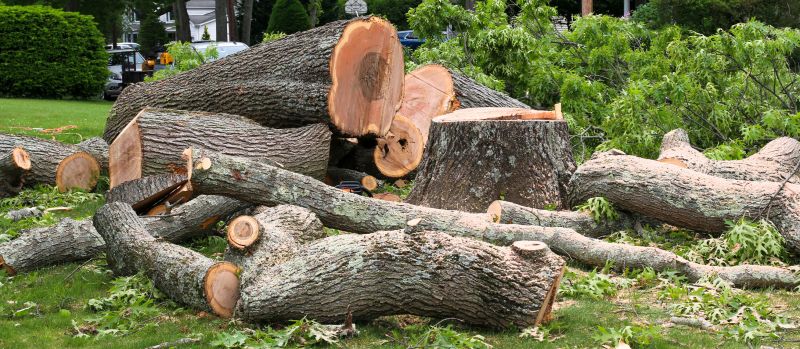
Stump Grinding - grinding down remaining stumps to restore lawn and prevent pests.
Hazard Tree Removal - removing damaged or diseased trees that pose safety risks.
Emergency Tree Removal - quick response for storm-damaged or fallen trees.
Selective Tree Removal - removing specific trees to improve landscape health or aesthetics.
Root Removal - extracting invasive roots that threaten structures or other plants.
Spruce Tree Removal Questions
When is tree removal necessary for spruce trees? Tree removal may be needed if the tree shows signs of disease, damage, or poses a safety risk due to instability.
What are common reasons to remove a spruce tree? Common reasons include pest infestation, severe decay, or interference with structures or utility lines.
How does the health of a spruce tree affect removal decisions? Poor health, such as dead branches or extensive disease, often indicates removal is the safest option.
What should property owners consider before removing a spruce tree? Consider the tree’s size, location, and potential impact on surrounding landscaping or structures.
Request Spruce Tree Removal in Doylestown, PA
Use the quote form on this page to share the basics of your project and request more information for the type of work you need.